

BACK TO LOVE (带你去见我妈) (2022)
Genre: Drama/Romance
Director: Lan Hongchun
Cast: Zheng Runqi, Lu Shan, Zhong Shaoxian, Zheng Pengsheng, Lian Xilong
Runtime: 1 hr 41 mins
Rating: PG13 (Some Coarse Language)
Released By: Golden Village
Official Website:
Opening Day: 1 October 2026
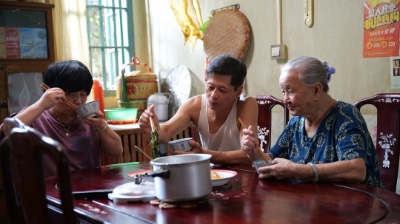
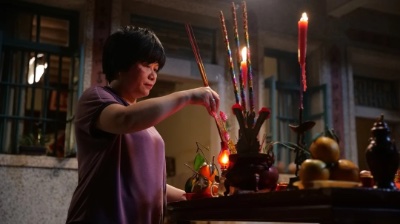
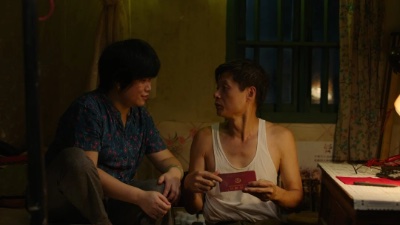
Synopsis: Zekai and Jingshan have been dating for two years, relying on each other and living happily while striving together in Shenzhen. However, Zekai’s mother back in their Shantou hometown has no idea he already has a girlfriend. She constantly tries to matchmake him, even arranging for someone to travel to Shenzhen for a blind date with him. Zekai knows that getting his mother to accept Jingshan is a steep hurdle because Jingshan was previously married, which is why he hesitated to introduce her to his family. But with his mother relentlessly pressuring him to get married, Zekai is forced to face the issue. He ultimately decides to register his marriage with Jingshan and bring her home to reveal the full truth to his mother.
Movie Review:
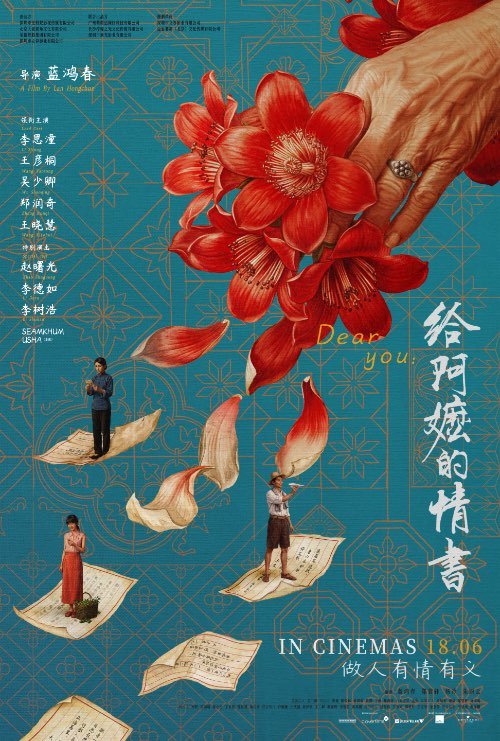
It is hard to imagine a better time for the Singapore release of Lan Hongchun’s Back to Love (2022). The distributor of Dear You (2026) has made a rather smart business move by bringing the director’s earlier film to our shores while Dear You is still fresh in audiences’ minds.
After all, Dear You caused quite a stir over its use of dialect, with the conversation eventually contributing to a change in Singapore’s policy on dialects in films. With that recency effect, releasing another Lan film that similarly explores questions of identity, family and reconnecting with one’s roots certainly feels like a calculated move.
Fortunately, Back to Love is not simply riding on the coattails of its director’s latest work. It is a genuinely good film in its own right.
Set in Chaoshan, the film follows characters navigating love, family expectations and the sometimes complicated relationship between personal choices and traditional values. It is also another clear showcase of Lan’s affection for his hometown, with the region not merely serving as a backdrop but becoming an important part of the film’s identity.
Unlike Dear You, Back to Love keeps its storytelling relatively straightforward. There are no timelines jumping between the past and present, allowing the story to unfold naturally as the characters deal with the expectations placed upon them. That simplicity works in the film’s favour, especially because much of its charm comes from the everyday situations rather than elaborate storytelling devices.
The cast is also made up largely of relatively unfamiliar faces, and that turns out to be one of the film’s strengths. Without the baggage of recognisable stars, the characters feel less like movie personalities and more like people we might actually encounter around us. Their conversations, disagreements and awkward situations have a certain lived-in quality that makes the story surprisingly relatable.
For viewers with parents or grandparents who grew up with similar traditions, there may be plenty that feels familiar. The idea that you should marry someone from your hometown, or at least find a “decent” partner so the family does not “lose face”, is hardly unfamiliar in many Asian families. These expectations can be frustrating when they clash with what younger generations want, but the film understands that such behaviour often comes from a complicated mixture of love, tradition and a desire to protect the family.
That also gives Back to Love plenty of opportunities for humour. The storyline sets up various amusing situations without having to force every joke, because much of the comedy comes from the characters themselves and the absurdity of family expectations. Beneath the laughs, however, is something more touching.
The film quietly reminds us to appreciate the little things our parents do to hold a family together, even when their choices are not necessarily ones we agree with. Sometimes their ways of showing love can feel outdated, overbearing or simply puzzling, but there is often a reason behind them that becomes clearer with time.
Back to Love may not have the narrative ambition of some more elaborate family dramas, but its straightforward approach allows its emotional message to come through clearly. More than anything, it leaves you thinking about home — and the people who have been there all along.
You may walk out wanting to call your parents, spend a little more time with your family, and perhaps appreciate the small things a little more. And really, that is not a bad thing for a movie to leave you with.
Movie Rating:

(Funny, relatable and heartfelt, Back to Love finds warmth in the traditions and expectations that bind a family together — all in Teochew, and cheers to that)
Review by John Li
You might also like:
_FINAL.jpg)

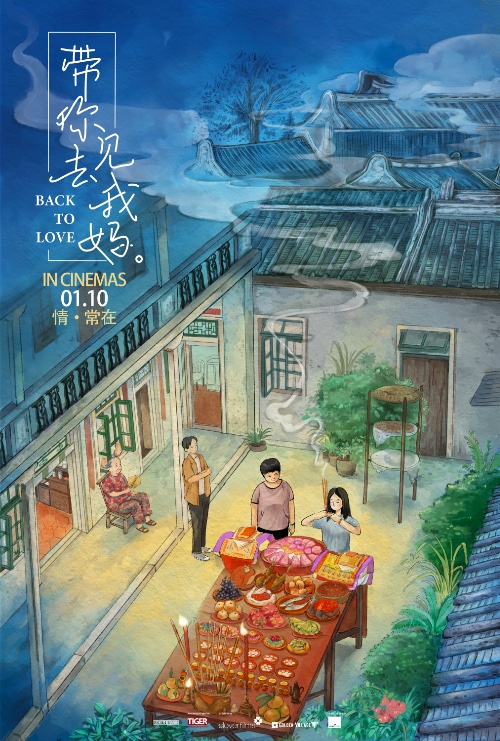
Movie Stills