

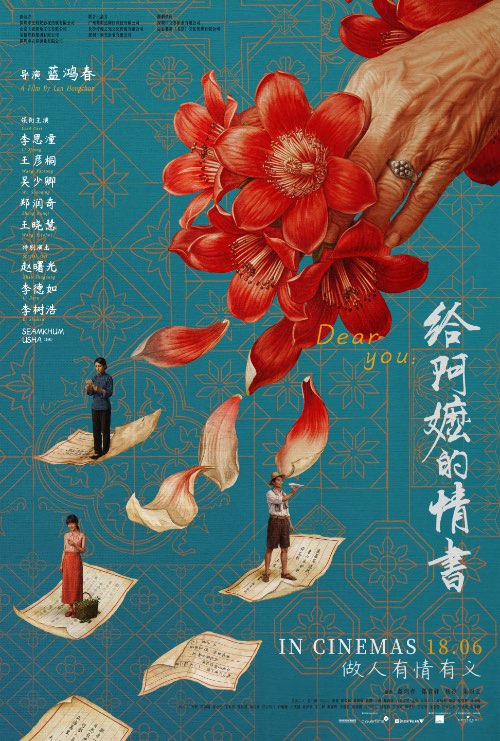
DEAR YOU (给阿嬷的情书) (2026)
Genre: Drama
Director: Lan Hongchun
Cast: Li Sitong, Wang Yantong, Wu Shaoqing, Zheng Ruiqi, Wang Xiaohui
Runtime: 1 hr 58 mins
Rating: PG13 (Some Coarse Language & Violence)
Released By: Golden Village
Official Website:
Opening Day: 18 June 2026
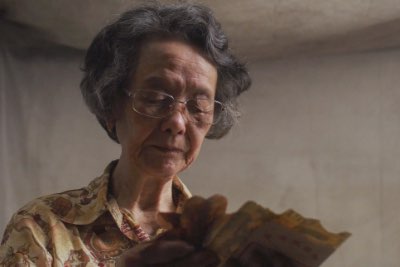
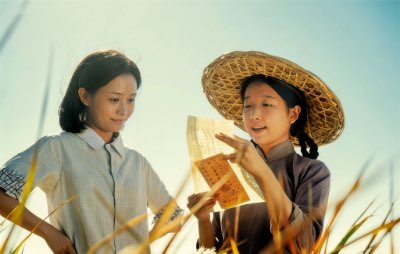
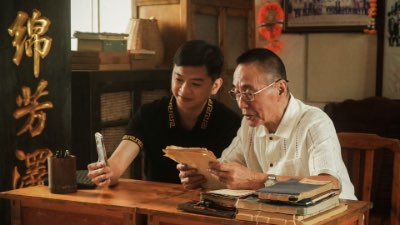
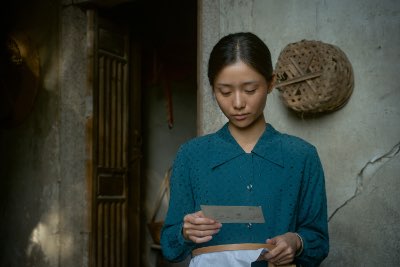
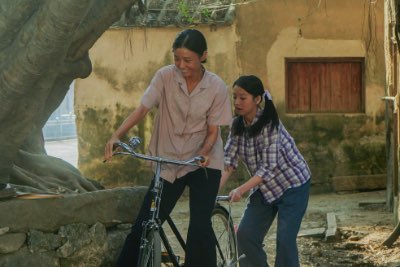
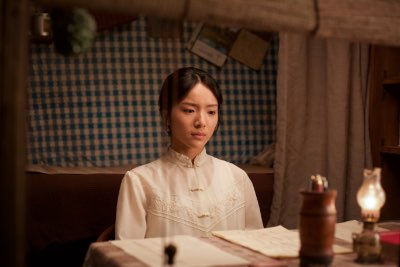
Synopsis: Teochew grandma Ye Shurou had always lived a peaceful, quiet life, enjoying her twilight years. Burdened by heavy debts, her grandson Xiaowei left for Thailand without telling the family, searching for his rumored billionaire grandfather, Zheng Musheng. However, Xiaowei ultimately returned with a shocking revelation that rocked the entire family: his grandfather had passed away long ago, and the person who had been exchanging romantic letters with Grandma all these years was actually a complete stranger. As Xiaowei dug deeper, a hidden, half-century-old love story suddenly came to light, striking deep into Grandma's heart.
Movie Review:
(The version reviewed is the film's original Teochew-language cut)
One of the biggest talking points surrounding Dear You in Singapore isn't so much about the movie itself. Instead, it concerns the fact that the film is receiving a general release in dubbed Mandarin rather than in its original Teochew soundtrack. That decision deprives many audiences of the opportunity to experience the film as it was intended by director Lan Hongchun.
It is a topic worth discussing, and this reviewer certainly wishes more people could hear the movie in its original language. Yet, without venturing into debates about policy, it is perhaps best to focus on what matters most: the film itself and the emotions it evokes.
Set against the backdrop of migration and separation, Dear You tells the story of ordinary people who leave their homes in China and journey to Nanyang in search of better opportunities. Along the way, they experience love, hardship, loneliness and the constant struggle to make ends meet in an unfamiliar land. Through decades of shared experiences and sacrifices, bonds are formed and lives become intertwined, creating a story that is intimate yet universal.
Naturally, the film will resonate strongly with senior audiences who themselves belong to the diaspora generation. Many came to Southeast Asia in their youth with hopes of building a better future, and the film's bittersweet recollections of hardship and perseverance may remind them of the roads they once travelled. There is a quiet dignity in the way the movie portrays these experiences, allowing memories of homes left behind and dreams pursued to surface once again.
The film also speaks to younger generations whose parents and grandparents made similar journeys. Watching these characters endure separation and uncertainty offers an appreciation of the sacrifices that helped create the family networks many enjoy today. It is a reminder that behind every family tree lies a history of courage, resilience and longing.
And then there are the Teochews themselves. For audiences familiar with the dialect, the movie offers something increasingly rare in modern Singapore: the opportunity to immerse themselves in a language that carries memories, customs and a sense of identity. At a time when dialects are heard less frequently in everyday life, Dear You quietly demonstrates how language can preserve culture and emotion.
What ultimately makes the film work is its sincerity. This is not a grand historical epic but a simple, earnest tale about falling in love, surviving in a foreign environment, supporting one another and finding moments of happiness amidst hardship. These are experiences that transcend nationality and ethnicity, making the story relatable to anyone.
It is all the more commendable that the majority of the cast are making their screen debuts. Hailing from Shantou, the performers bring an authenticity that cannot easily be manufactured. Their lack of star power becomes an advantage, allowing viewers to see the characters rather than recognisable faces. There are humorous moments that bring warmth and laughter, while the more melancholic scenes possess the power to move sentimental viewers to tears.
Which brings this reviewer back to the matter of language. It feels like a missed opportunity if audiences are unable to widely experience the film in its original Teochew version. Beyond authenticity, hearing the dialogue as intended would enhance the emotions and perhaps even spark greater appreciation for Teochew culture itself.
So pardon this reviewer's advocacy: it would be wonderful if moviegoers were simply given the choice of which version they wish to watch. After all, language is more than words — it is memory, heritage and feeling. And Dear You deserves to be heard as much as it deserves to be seen.
Movie Rating:

(A heartfelt tribute to migration, family and Teochew heritage, Dear You is a moving reminder of the journeys that shaped countless families and deserves to be heard in its original voice)
Review by John Li
You might also like:

Movie Stills