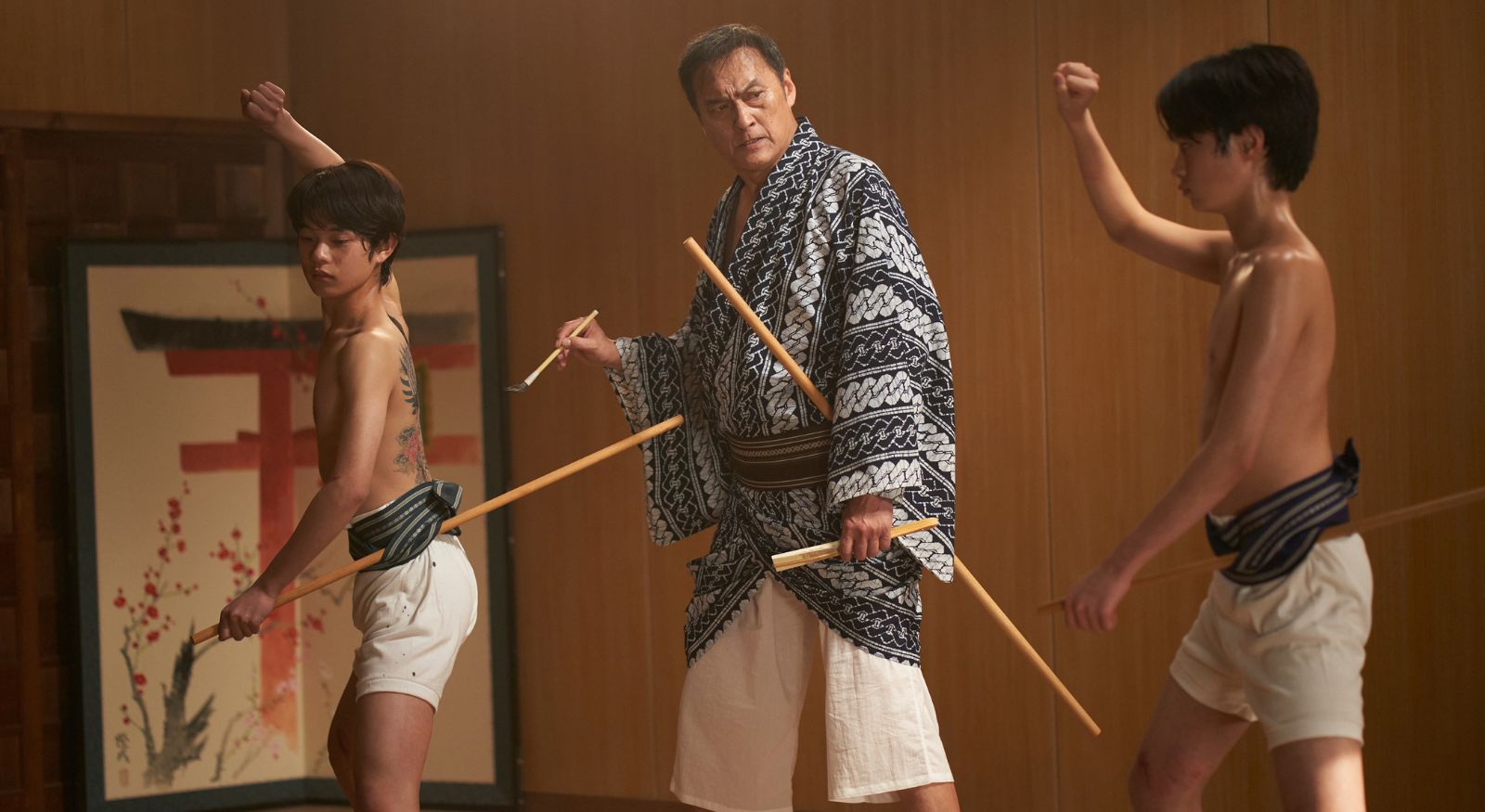


KOKUHO (国宝) (2025)
Genre: Drama
Director: Lee Sang-il
Cast: Ryo Yoshizawa, Ryusei Yokohama, Mitsuki Takahata, Shinobu Terajima, Min Tanaka, Ken Watanabe
Runtime: 2 hr 55 mins
Rating: M18 (Sexual Scene)
Released By: Shaw Organisation
Official Website:
Opening Day: 23 July 2026
Synopsis: Kikuo, born into a yakuza clan, possesses extraordinary beauty. The death of his father brings him under the arm of the famous Kabuki actor Hanjiro Hanai. There he meets Shunsuke, born and raised as the only son of a prestigious Kabuki family. The two men with completely different backgrounds and talents, inheriting opposing family blood from the Kabuki and the Yakuza, decide to devote their lives to the refinement of Kabuki throughout the 50 years of history, the rise and fall of the fame, bloodlines and talents, scandals and glories, and layers of trust and betrayal.
Movie Review:
Thanks to a short introductory presentation by a Kabuki enthusiast before the premiere screening, this reviewer walked into Kokuho with a deeper appreciation of the centuries-old art form at the heart of the film.
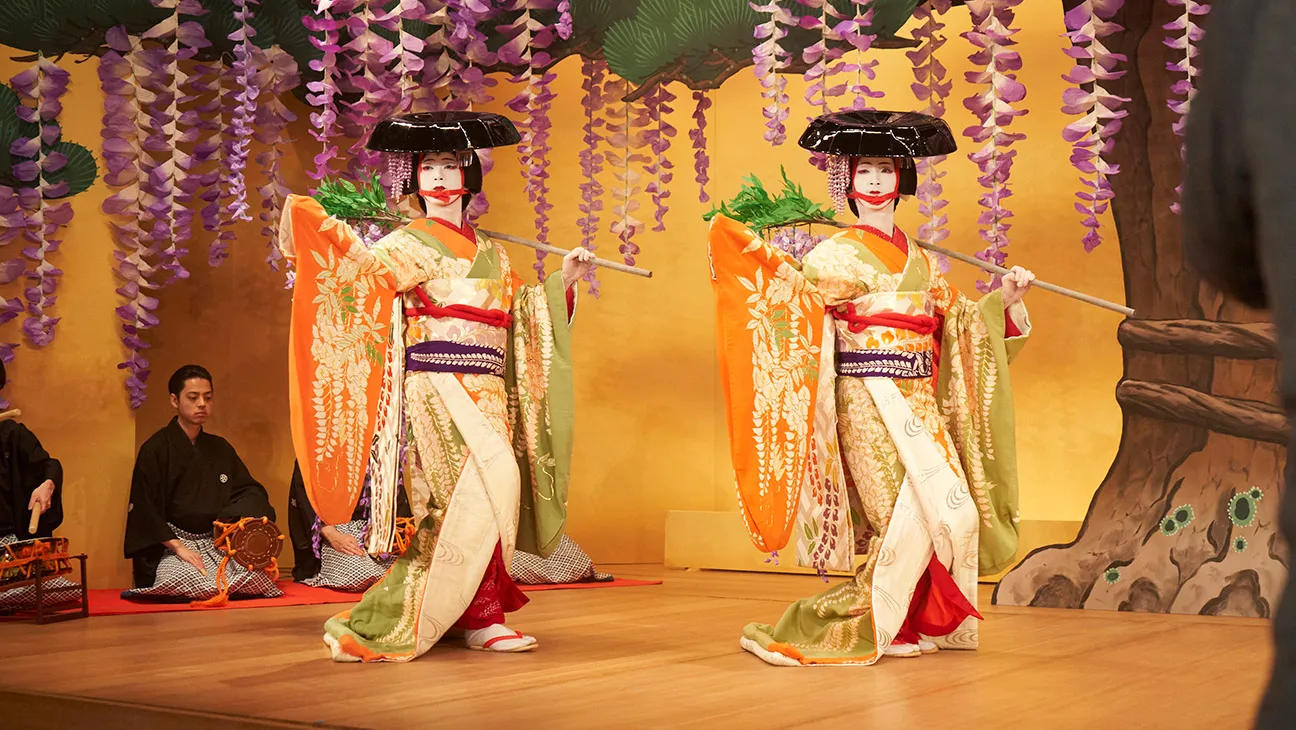
For many outside Japan, Kabuki may simply be recognised as a traditional theatrical performance where elaborately made-up male actors portray female characters. The reality is far richer.
Kabuki is a classical Japanese theatre that combines stylised acting, music and dance, while onnagata refers to male performers who specialise in female roles. The tradition dates back to 1629, when women were prohibited from performing Kabuki by the Tokugawa shogunate amid concerns over public morality, and over time these male specialists developed an extraordinarily refined art of embodying femininity on stage.
Thankfully, Kokuho never expects audiences to arrive with prior knowledge of Kabuki. Spanning five decades, the film unfolds as an engrossing drama that is surprisingly easy to follow, charting one man's relentless pursuit of artistic greatness. At its heart is a familiar yet compelling story of perseverance, sacrifice and ambition that transcends cultural boundaries.
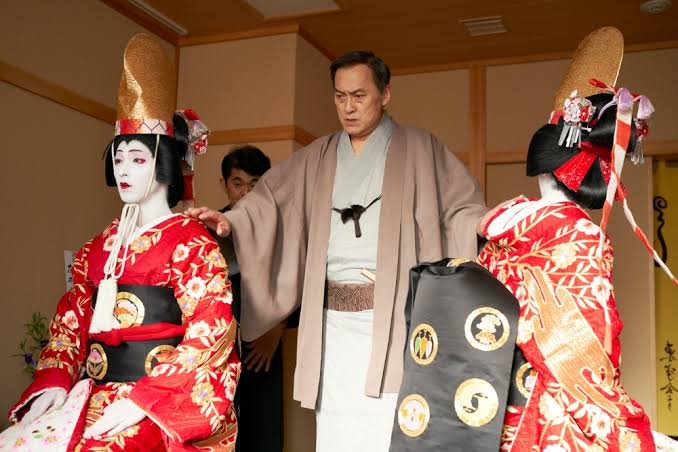
The story follows Kikuo, the son of a yakuza boss whose life takes an unexpected turn after tragedy leads him into the prestigious world of Kabuki. Adopted into a renowned theatrical family, he grows up alongside Shunsuke, the biological heir to the troupe. Bound by friendship yet inevitably shaped by rivalry, the two dedicate their lives to mastering an art form that demands absolute discipline, as personal relationships, family expectations and professional ambition collide over the years.
The film's title refers to Kokuho, or "Living National Treasure", one of Japan's highest cultural honours bestowed upon individuals recognised for preserving important intangible cultural heritage. It is an achievement reserved for the very best, and Kokuho vividly illustrates the enormous personal cost of reaching such heights.
Although the setting is specific to Kabuki, the film's message resonates across every artistic discipline. Behind every celebrated performer, acclaimed musician or award-winning filmmaker are countless others who dedicate their lives to their craft without ever receiving the recognition they seek. Kokuho celebrates those who ultimately reach the summit, while quietly acknowledging the heartbreak of equally talented individuals whose dreams remain just beyond their grasp. It is both inspiring and bittersweet.
Watching the film in a cinema further enhances the experience. The Kabuki performances are presented with remarkable cinematic intimacy, allowing audiences to appreciate facial expressions, gestures and movement that might be difficult to observe from the back of a theatre. Even viewers unfamiliar with Kabuki may find themselves captivated by these extended performance sequences, which possess an elegance and theatricality rarely seen in mainstream cinema.
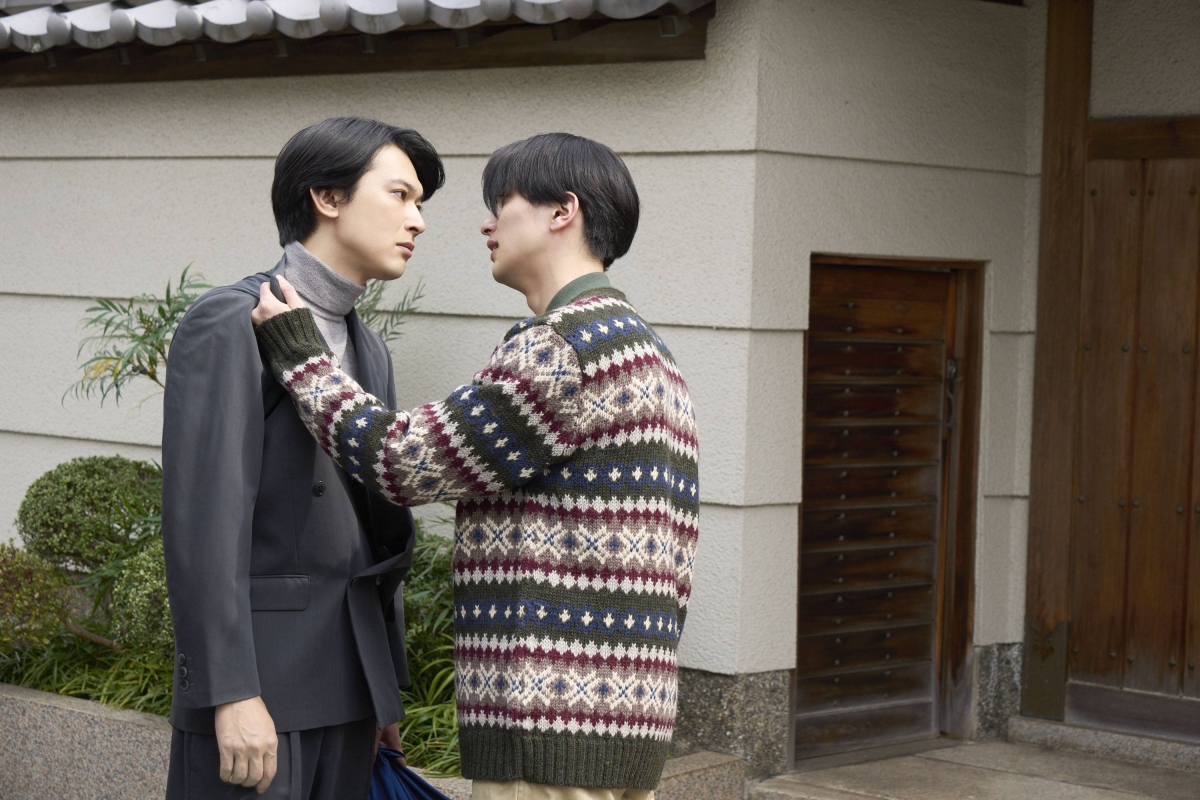
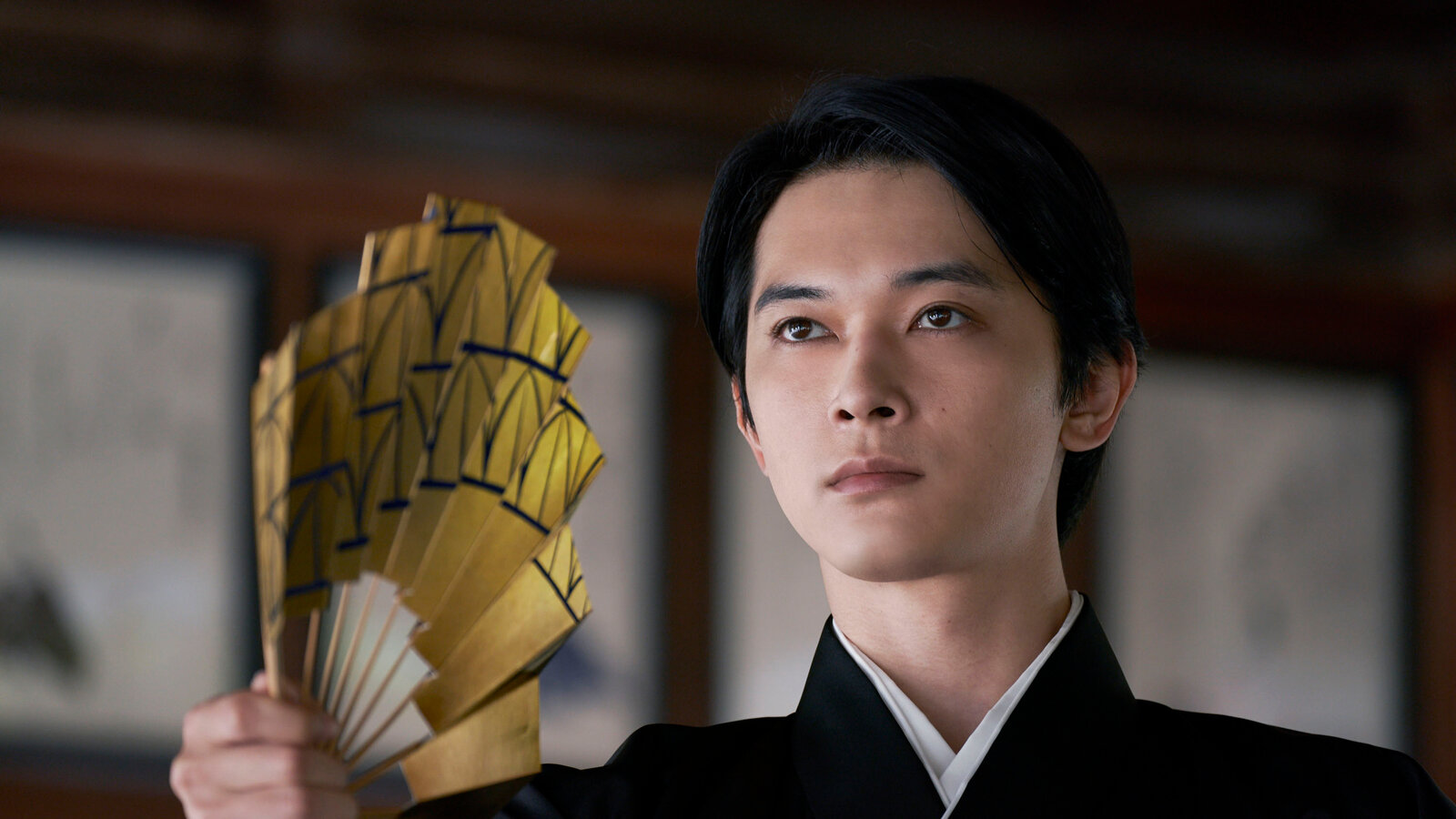
The emotional core belongs to Ryo Yoshizawa and Ryusei Yokohama, who play the adult Kikuo and Shunsuke respectively. Their remarkable chemistry anchors the film. They convincingly portray two men bound by deep affection yet constantly measured against one another. Their relationship is neither simply friendship nor outright rivalry, but an ever-shifting combination of admiration, jealousy, loyalty and heartbreak. Yoshizawa, in particular, delivers a mesmerising performance, capturing Kikuo's unwavering dedication, quiet resilience and emotional vulnerability with extraordinary nuance.
The accolades speak for themselves. Directed by Lee Sang-il, Kokuho received 17 nominations at the 49th Japan Academy Film Prize, winning 10 awards including Best Picture, Best Director and Best Actor for Yoshizawa. It also enjoyed international recognition after premiering in the Directors' Fortnight section of the 78th Cannes Film Festival and later becoming Japan's submission for Best International Feature Film at the 98th Academy Awards, where it earned a nomination for Best Makeup and Hairstyling.
Despite its nearly three-hour runtime, Kokuho is far from an austere arthouse exercise. Its engaging narrative, superb performances and emotional storytelling make it remarkably accessible even for audiences unfamiliar with Japanese culture. There is good reason why it became a box-office phenomenon, earning over ¥20 billion and setting a new domestic record for a live-action Japanese film.
Like the art form it celebrates, Kokuho is the product of extraordinary dedication — and it rewards every minute of your attention.
Movie Rating:

(A sweeping, emotionally rewarding drama that celebrates the beauty, sacrifice and lifelong pursuit of artistic greatness)
Review by John Li
Read our coverage of the premiere screening marking 60 years of Singapore–Japan diplomatic relations here
You might also like:

(R3).jpg)
Movie Stills